Registered Residential Customers
Manage Your Home Services
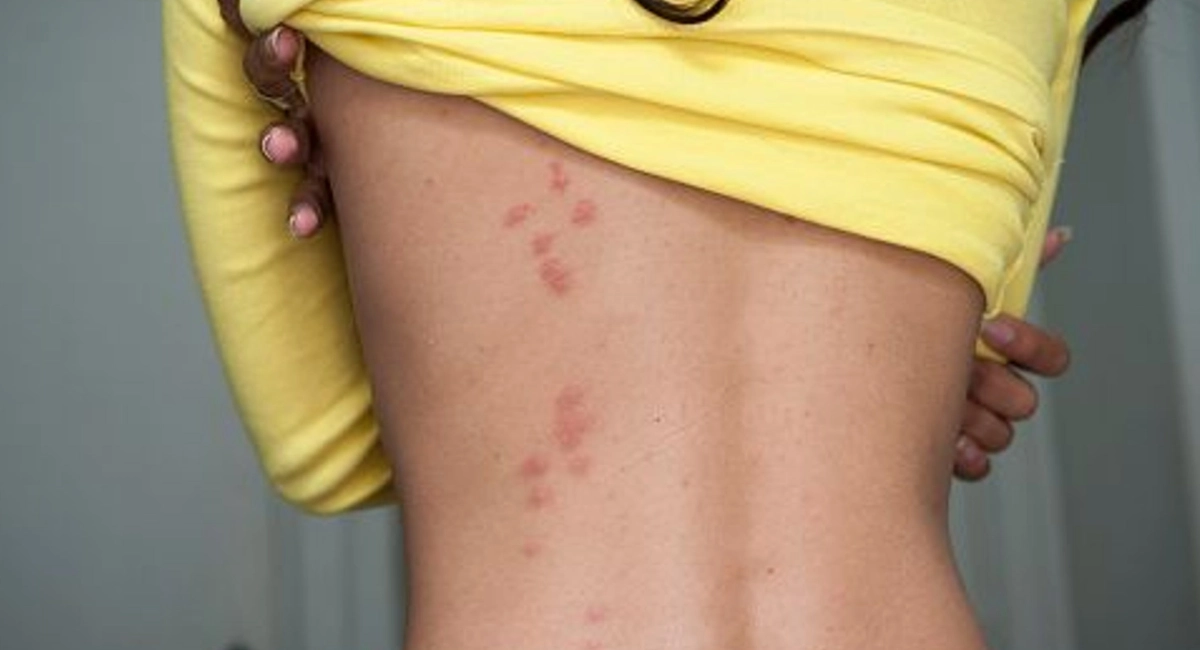
Waking up with unexplained itchy marks can make you wonder whether bed bugs are responsible. While bed bug bites are one possible cause, skin marks alone cannot confirm a bed bug infestation. Other insects can cause similar reactions, and some people may have little or no visible reaction to a bed bug bite.
Knowing what to look for, when to investigate further and how to manage the irritation can help you decide what to do next.
| Clue | What it may indicate |
|---|---|
| Small red or raised bumps | A possible insect bite |
| Itching or irritation | A reaction to the bite |
| Several marks close together | Multiple bites around the same area |
| Line or cluster of bites | Can occur with bed bug bites, but is not conclusive |
| Marks after sleeping | May indicate exposure to a nighttime biting pest |
The important point: no single clue can identify a bed bug bite with certainty.
Bed bugs generally feed while people are resting or sleeping and may bite exposed areas of skin.
Common locations include:
The location of the marks can provide context, but it cannot establish which insect caused them.
For more detailed information about symptoms and reactions, see our guide to bed bug bites.
Not reliably from the bite alone.
Bed bug bites can look similar to bites caused by fleas, mosquitoes and other insects. The body's response also varies between people, and a reaction may not appear immediately. Rentokil PCI notes that it can take hours or days for redness or itching from an insect bite to become noticeable.
Instead of trying to identify the pest from the skin mark alone, consider:
If you repeatedly notice new unexplained marks after sleeping, inspect the sleeping area for possible evidence.
Repeated bites over several nights may warrant further investigation, particularly if you also notice signs around the bed.
Blood spots, dark marks, shed skins or live insects around the sleeping area provide more useful evidence than the appearance of a bite alone.
If you suspect bed bugs, inspect areas where they can hide during the day, particularly around the bed and nearby furniture.
Check:
Possible evidence includes blood spots, dark marks, shed skins and live bed bugs.
You don't need to reproduce the full inspection guide here. For the complete checklist, see Signs of Bed Bugs.
Bites suggest that something may be feeding on you. Physical evidence helps establish what the pest may be.
That is why investigating the sleeping environment is more reliable than trying to diagnose a pest from a skin reaction alone.
Bed bugs and fleas can both cause itchy red marks, but there may be differences in where and how the bites appear.
| Clue | Bed bug bites | Flea bites |
|---|---|---|
| Common location | Often exposed areas while sleeping, including arms, hands, neck and shoulders | Often lower legs, ankles and feet |
| Pattern | May appear in lines or clusters | Often occur in small, scattered clusters |
| Timing | Often associated with nighttime exposure | Can occur when exposed to areas where fleas are present |
| What to inspect | Mattress seams, bed frame and nearby furniture | Pets, carpets and areas where animals rest |
These clues can help with an initial assessment, but bite appearance alone cannot reliably identify the pest.
For a detailed comparison, read Bed Bug vs Flea Bites: Symptoms, Patterns & Signs.
Treating the skin can help reduce discomfort, but it does not eliminate the bed bugs responsible for the bites.
For mild reactions:
It is important to separate managing the bite from eliminating the pest.
| Your situation | What needs attention |
|---|---|
| You have an itchy bite | Manage the skin irritation |
| You keep getting new bites | Investigate the possible source |
| You find blood spots or dark marks | Inspect the sleeping area |
| You find live bed bugs or other physical evidence | Address the infestation |
| Bed bug activity continues | Consider professional inspection and treatment |
Treating the bite can relieve the symptom. It does not remove the source.
If an infestation is confirmed, the focus needs to shift from skin care to pest control.
If new bites continue or you find evidence around your sleeping area, focus on finding the source rather than treating the skin alone.
Check mattress seams, bed frames, headboards and furniture close to the bed.
Do not move suspected infested bedding, furniture, luggage or clothing into another room. Bed bugs can spread when infested belongings are moved around.
Cleaning and laundering can be useful parts of managing affected items, but established infestations can be difficult to eliminate because bed bugs hide in protected areas.
If you continue finding evidence of activity, professional inspection can help determine whether bed bugs are present and identify areas requiring treatment.
If you're finding new bites or physical signs of bed bug activity, identifying the source early can help you take the right next step. Rentokil PCI can inspect your property for signs of bed bug activity and recommend an appropriate treatment approach.
Get Professional Bed Bug Control