Registered Residential Customers
Manage Your Home Services
Bed bugs are one of the most difficult pests to control, especially in apartment buildings, housing societies and multi-unit residential complexes. Their ability to hide in tiny cracks, move between neighboring flats, and survive for months without feeding makes them particularly challenging to eliminate.
Although bed bugs are not known to spread diseases, their bites can cause itching, allergic reactions, disturbed sleep and emotional stress. In apartment buildings, a single untreated infestation can quickly spread to neighbouring units, making early detection and professional treatment essential.
This guide explains how bed bugs spread in apartments, why they are difficult to control and the most effective ways to prevent and eliminate them.
Unlike standalone homes, apartments share walls, ceilings, floors, plumbing and electrical conduits, creating multiple pathways for bed bugs to move between units.
Research shows that bed bugs can travel approximately one metre per minute and may move considerable distances within buildings in search of a host. Recently fed female bed bugs have even been observed travelling up to 42 metres over several days, highlighting how quickly infestations can spread when left untreated.
Bed bugs can also enter homes through:
In densely populated cities across India, these factors make apartment buildings particularly vulnerable to widespread infestations.
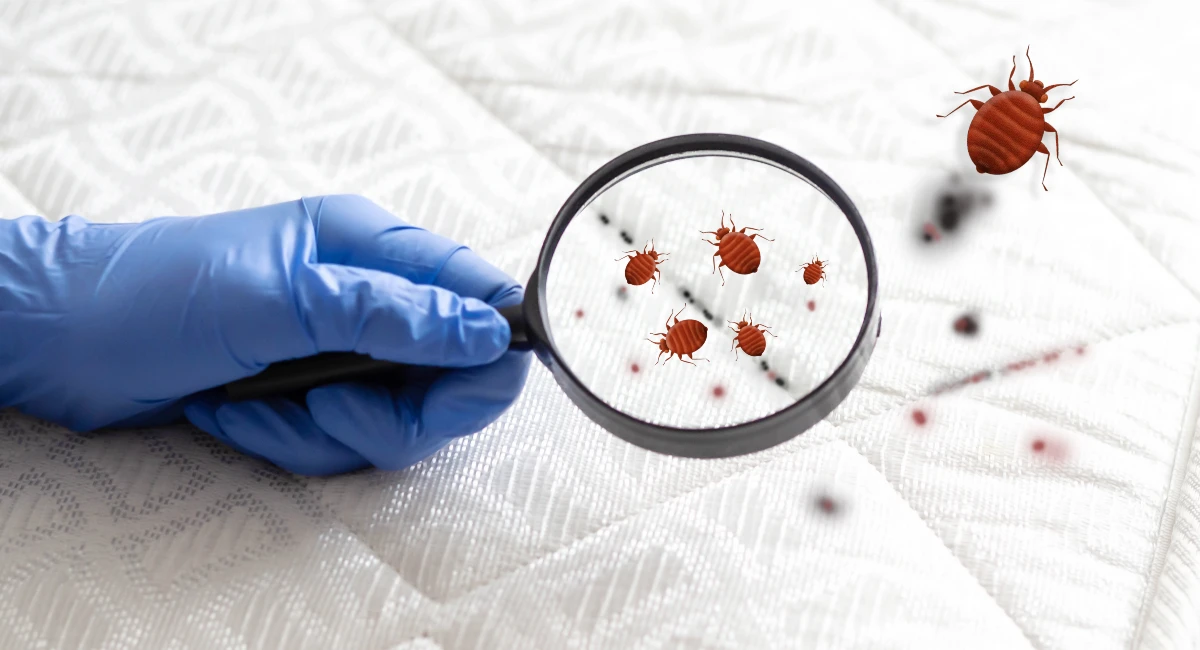
Bed bugs are small, flat insects that hide in cracks and crevices close to where people sleep. Common hiding spots include:
Their ability to remain hidden makes professional inspection essential.
Bed bugs can crawl beneath doors, through wall cracks and along service ducts, allowing them to spread from one apartment to another. Neighbouring flats—especially those above, below and beside an infested unit—are at greater risk.
Treating only one apartment may not completely eliminate the problem if adjacent units are also affected.
Bed bugs are remarkably resilient. Under suitable conditions, young bed bugs can survive for several months without feeding, while adults may survive for over a year. This allows infestations to persist even in vacant apartments until new occupants move in.
Early identification can help prevent infestations from spreading throughout a building. Look out for:
If you notice any of these signs, arrange a professional inspection as soon as possible.
Fleas: You will likely feel the itch almost immediately. The bumps become firm and irritated within an hour.
Bed Bugs: You won’t feel the bite while it happens because bed bugs inject a numbing agent. It can take hours or even days for the red welts to appear and start itching.
If the bites aren't enough to confirm the pest, look for these secondary signs:
For Fleas: Check your pets for "flea dirt" (black specks in fur), or wear white socks and walk across your carpet—fleas will jump onto them and be easily visible.
For Bed Bugs: Check mattress seams and headboards for tiny blood spots, shed skins, or a sweet, musty odor.
Bed bug infestations require more than simply spraying insecticides. Improper or incomplete treatments may fail to eliminate hidden bed bugs and can contribute to insecticide resistance, making future control even more difficult.
Professional pest control companies use Integrated Pest Management (IPM) a comprehensive approach that combines inspection, monitoring, targeted treatments and preventive measures to achieve effective long-term control.
For apartment buildings, property managers, Resident Welfare Associations (RWAs) and residents should work together to:
A coordinated approach significantly improves treatment success.
Professional bed bug control often combines multiple treatment methods depending on the level of infestation.
A detailed inspection helps identify all harbourages and determine the extent of the infestation before treatment begins.
Professional vacuuming removes live bed bugs, eggs and debris from mattresses, furniture and hard-to-reach areas. This is usually followed by additional treatments to eliminate any remaining insects.
High-temperature steam can kill bed bugs at all life stages when applied correctly to mattresses, furniture and cracks where they hide.
Specialised heat treatments raise temperatures high enough to eliminate bed bugs throughout a room or within infested furniture.
Clothing, bedding and other washable fabrics should be washed at 60°C and tumble dried on a hot cycle to kill bed bugs and their eggs.
Professional-grade insecticides are carefully applied to bed bug harbourages where they are most effective. Broad aerosol sprays or "bug bombs" are generally not recommended, as they often fail to reach hidden infestations and may encourage bed bugs to disperse further.
While no method can guarantee complete prevention, these simple steps can reduce the risk:
Early action can help prevent bed bugs from spreading throughout an apartment building.
At Rentokil PCI, our trained pest control professionals use science-backed inspection techniques and Integrated Pest Management (IPM) strategies to effectively manage bed bug infestations in homes, apartments, hostels, hotels and residential societies across India.
Our approach focuses on:
By combining professional expertise with proven treatment methods, we help minimise disruption and reduce the risk of recurring infestations.
Apartments share walls, plumbing, and electrical conduits, creating multiple easy pathways for these resilient pests to travel between units. Since bed bugs can crawl, an untreated infestation in a single flat can rapidly migrate to neighbors above, below, and beside it.
Key indicators include waking up with clusters of itchy, red bite marks and finding rust-colored blood stains or tiny black fecal spots on your bedding. You might also spot live insects, shed skins, small cream-colored eggs in mattress seams, or notice a sweet, musty odor if the infestation is severe.
Treating only one infested apartment is often ineffective because bed bugs can easily flee to adjacent flats through wall cracks and service ducts. Residents, property managers, and RWAs must work together to report issues promptly and inspect neighboring units to stop the cycle of re-infestation.
Experts use pest treatment methods, which combine detailed inspections and vacuuming with high-temperature steam or heat treatments to kill bugs at all life stages.
Don't just imagine your business with no pests...experience pest-free with Rentokil PCI.
Contact us today !