Registered Residential Customers
Manage Your Home Services
There are few household pests that can cause as much immediate panic as a cockroach. But when that cockroach suddenly takes flight, it brings the sense of unease to a whole new level. If you've ever had a large roach come gliding through the air, you know the feeling all too well.
The sight of a flying cockroach can be alarming, but it's a problem that can be managed effectively. The key to learning how to get rid of flying cockroaches is to understand why they take to the air and how to make your home a place they want to avoid altogether.
First, it’s important to know that not all cockroaches are skilled flyers. The smaller roaches you might find in a kitchen cabinet typically cannot fly at all. The ones that do are usually larger species, and even then, they are often more like clumsy gliders than expert aviators.
A cockroach might use its wings to:
Move from a high point to a lower one (e.g., gliding from a shelf).
Escape a perceived threat when startled.
Navigate more easily in warm, humid conditions.
So, while it's startling, a flying roach isn't being aggressive; it's usually just trying to get around or get away. Understanding this can help take some of the panic out of the situation and let you focus on a solution.
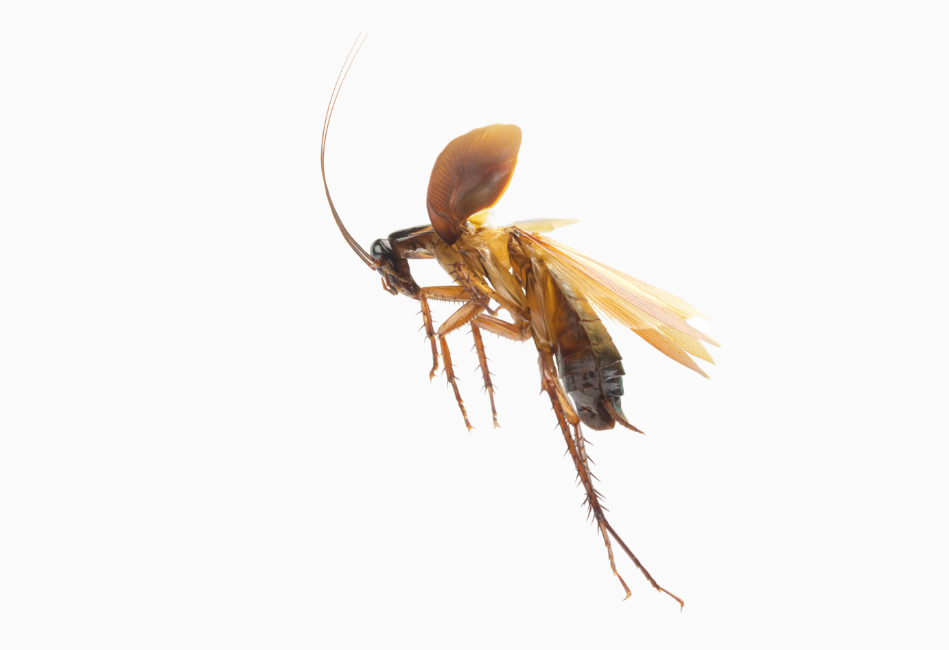
Tackling a cockroach problem, especially with flying ones, involves a two-part strategy: dealing with the immediate pest and then focusing on long-term prevention to ensure they don't come back.
If you're dealing with a single, visible flying cockroach, you want to handle it quickly. A household insecticide spray designed for flying insects can be effective. If you prefer a non-chemical approach, the hose attachment on a vacuum cleaner is a surprisingly useful tool for catching the pest from a safe distance.
This is the most crucial part of learning how to prevent cockroaches. By making your home less inviting, you can stop the problem at its source.
Seal All Entry Points: Cockroaches are experts at squeezing through tiny openings. Take time to inspect your home for cracks and gaps around pipes, under doors, and in window screens. Seal these entryways with caulk or weather stripping.
Eliminate Their Water Source: Like all living things, cockroaches need water to survive. Fix any leaky faucets or pipes, ensure your drains are clear, and don’t let water stand in the sink or in saucers under potted plants.
Cut Off Food Supplies: A clean kitchen is a powerful defense. Store all food, including pet food, in airtight containers. Be diligent about cleaning up crumbs and spills immediately, and use a trash can with a tight-fitting lid.
Keep Drains Clear and Covered: Drains can be a highway for larger cockroaches. Using drain covers or stoppers can block this common entry point. Regularly cleaning drains to remove food debris also helps.
The steps above are excellent for managing and preventing minor issues. However, if you find yourself seeing cockroaches—especially large, flying ones—on a regular basis, it could be a sign of a larger, hidden infestation. They may be nesting inside wall voids, in the attic, or in other areas you can't see or reach.
In such cases, the most effective way to get rid of cockroaches completely and for the long term is to call a professional pest control service. They have the expertise to locate the source of the infestation and use targeted treatments to resolve the problem safely and effectively.