Registered Residential Customers
Manage Your Home Services
We frequently see bugs fleeing or going extinct as temperatures drop and winter approaches in many areas. However, the hardy cockroach views winter as a time of strategic survival that frequently pushes them farther into our homes rather than a time for peaceful sleep. You should reconsider if you believe that your cockroach problem will be resolved on its own by the cold.
Here's how these incredibly adaptive insects survive and even flourish in the winter.
The fact that cockroaches are mostly indoor pests is the most important factor in their winter survival. Common household cockroaches, such as the German, American, and Oriental species, are heavily reliant on human constructions for their survival, in contrast to many other insects that hibernate or perish in cold climates. Our residences and structures offer:
Consistent Warmth: Your heating system keeps them active all year round by producing a steady, warm environment that resembles their favorite tropical locales.
Ready Food Sources: Wintertimebrings holiday meals, more indoor cooking, and frequently more food waste and crumbs. This ensures a steady supply of food.
Water Access: Reliable sources of water are provided via condensation, leaky pipes, and overall indoor humidity.
Any cockroaches that may have gone outside or resided in garages and sheds will actively seek out warmer shelter as the ambient temperature drops. To enter your heated home, you frequently have to squeeze through small cracks and fissures, utility pipe access points, or even beneath doors. They have an innate need for warmth, and your home is the ideal haven for them.
Indoor cockroaches reproduce all winter long; however, some outdoor insects may have a slower breeding cycle due to the cold. They can continue to increase in number as long as they have steady access to food, water, and warmth. Winter does not deter German cockroaches from mating prolifically indoors, with a single female producing up to 300 progeny in her lifespan. This implies that by spring, a minor issue in the fall could turn into a major infestation.
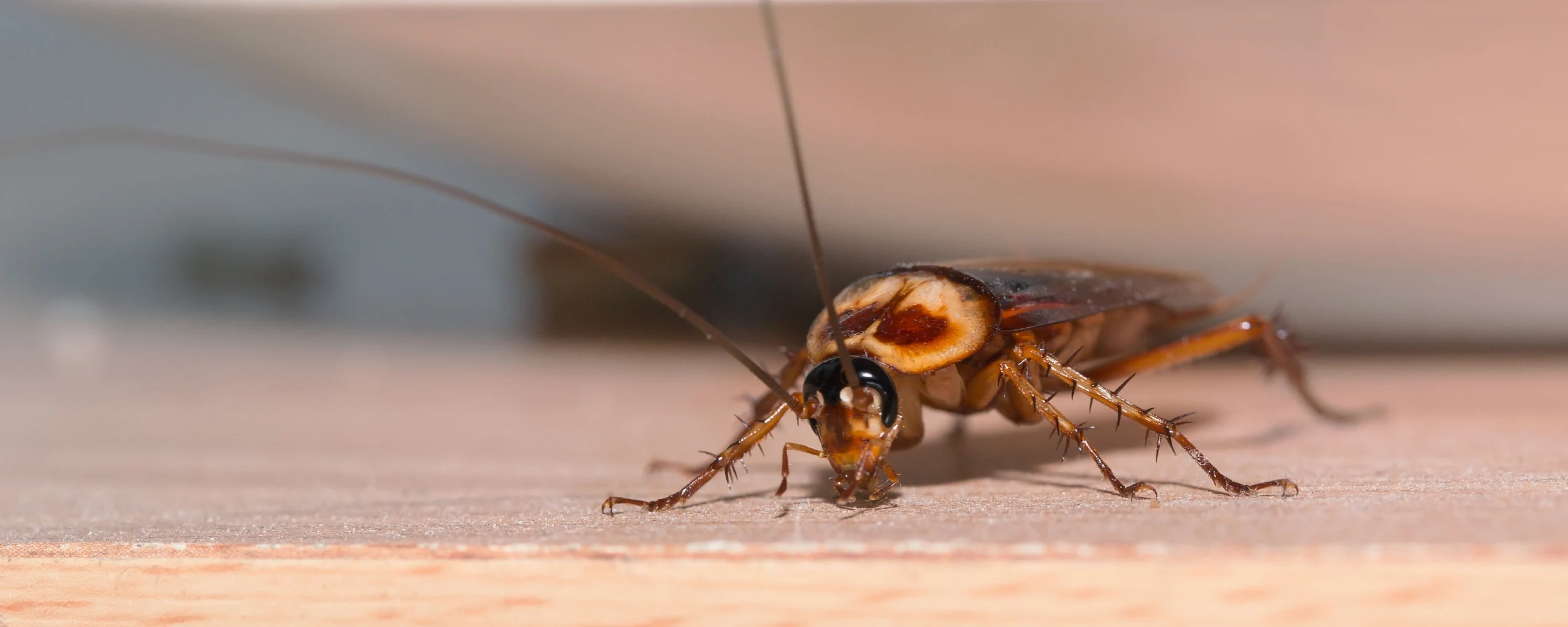
Being nocturnal, cockroaches are adept at hiding. They may become even more solitary in the winter, sheltering in places with steady warmth and fewer disturbances. These locations consist of:
Under and behind appliances (dishwashers, stoves, and refrigerators)
beneath the floorboards and in the spaces between walls
In the nooks and crannies of pantry cabinets
Near heating ducts or heated pipes
Due to increased travel and package deals, the winter holiday season may unintentionally contribute to the spread of cockroaches. From one contaminated area to another, these pests can readily travel by hitchhiking in baggage, cardboard boxes, and even used furniture. They may potentially enter your home through groceries or items you bring in from an infected business or warehouse.
Act Now Instead of Waiting for Spring
It's folly to think that your cockroach problem would go away with winter. Instead, they may be able to proliferate unchecked due to increased indoor activity and constant warmth.
Take action if you think there may be cockroaches present:
Keep Things Clean: Pay close attention to spills, food scraps, and trash.
Seal Entry Points: caulk wall cracks and gaps, caulk pipes, and caulk beneath doors.
Reduce Clutter: There are fewer hiding places when there is less clutter.
Professional Assistance: Get in touch with a professional pest control provider for a long-lasting and efficient remedy, particularly during the winter. They are able to locate concealed infestations and implement focused treatments that get rid of both adults and eggs.
No, common household cockroaches (German, American, Oriental) are mostly indoor pests and survive winter indoors.
They seek shelter in warm indoor environments like homes and buildings.
Yes, indoor cockroaches continue to breed year-round, especially German cockroaches.
They hide in warm, undisturbed places like under appliances, in wall spaces, and near heating ducts.
Yes, increased travel and package delivery during the holiday season can help them spread.