Registered Residential Customers
Manage Your Home Services
Cockroaches are synonymous with filth and poor hygiene. Their feeding and nesting habits mean they can accumulate a range of pathogenic organisms, which they transmit to food and surfaces where they feed and crawl.
For businesses this can impact customer and staff health. In addition, for businesses handling and processing food, it could result in a breach of food safety laws.
Transmission occurs indirectly, from consumption or contact with items which have been contaminated by cockroaches.
Cockroaches can also trigger asthma and other allergies as well as spread E. coli, Staphylococcus aureus and Streptococcus.
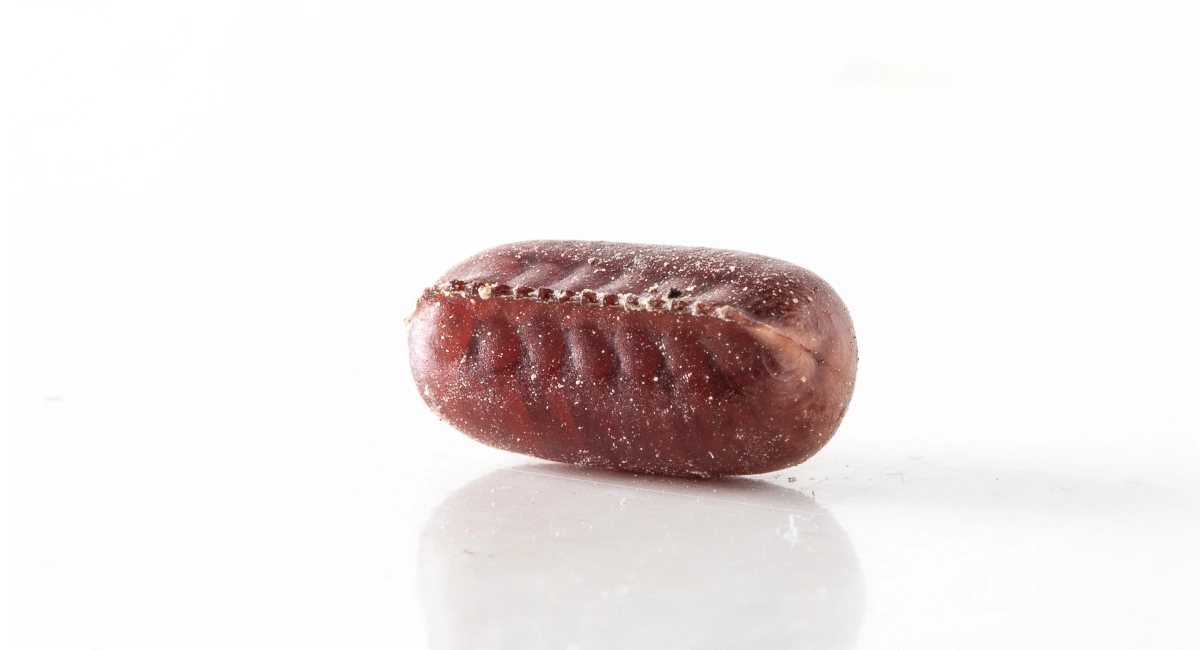
To add to the other bacterial diseases transmitted by cockroaches, there is also a link between these crawling insects and asthma.
Cockroach allergy was first reported in 1943. It was discovered when patients developed a rash after cockroaches crawled on their skin.
Cockroaches can trigger asthma because they have certain proteins in their bodies, which can be an allergen for certain people. When tiny particles from cockroach bodies are spread through the air in buildings, these proteins are inhaled and an asthma attack can be triggered in sensitive people.
The American College of Allergy, Asthma & Immunology reports that the saliva, feces, and shed skin of cockroaches can trigger both asthma and other allergic responses.
The National Pest Management Association has carried out studies around cockroach allergens and residential homes. Its studies show that around 63% of homes in the US contain allergens. This statistic rises for homes in urban areas (between 78% and 98%).
It is estimated by the WHO that 300 million people worldwide suffer from asthma. It has been discovered that frequent hospital visits of children living in cities suffering from asthma can often be as a result to contact with cockroaches. Around 23-60% of people with asthma are sensitive to cockroach allergens.
The most effective way to prevent to cockroaches spreading diseases in your home or business is to reduce the possibility of these crawling insects entering your property. The best way to do this is to enlist the necessary cockroach prevention methods.
Following the correct prevention techniques will reduce the risk of an infection from a disease spread by cockroaches and drastically reduce the potential for cockroaches to spread diseases through your property.
You can prevent diseases spread by cockroaches by:
Cleaning is one of the most effective methods for preventing cockroaches. Not only will it make your property less appealing to them in the first place, but it will also get rid of any bacteria or viruses they’ve spread.
It’s advised that you clean floors, work surfaces, sinks, and drains on a regular basis and cooking utensils, cutlery, and crockery before and after use. Removing any possible food sources, such as dropped food, grease behind ovens, and pet feces, is also a good idea.
For businesses operating within the food industry, complying with the proper food safety regulations in regards to cleaning can help reduce the risk of diseases carried by cockroaches being spread.
Washing your hands on a regular basis can assist in reducing the risk of cockroach-borne diseases. Wash your hands with soap and warm water on a regular basis to help eliminate any bacteria, germs, or viruses that can cause the diseases spread by cockroaches.
It is important that you wash your hands:
Sealing cracks or gaps in and around your property helps to reduce the number of entry points for cockroaches. This in turn reduces their potential to transmit organisms that cause diseases through your home or businesses.
It’s a good idea to regularly inspect your property to make sure there are no entry points and seal them with expanding foam and other materials if necessary. It is also advised that you regularly inspect and repair damaged drains and pipes.
They spread bacteria causing salmonellosis, typhoid, and cholera, and they trigger asthma and allergies.
By depositing pathogens onto surfaces and food through their droppings, vomit, and contaminated bodies.
They pick up bacteria from sewers, drains, garbage, and other unsanitary waste.
By eating food or drinking liquids that a cockroach has walked or defecated on.
Use professional pest control to remove the cockroach infestation.