Registered Residential Customers
Manage Your Home Services
All wood contains cellulose, which termites primarily seek out. They are not very particular, but they do have preferences for particular kinds of wood, and wetness is usually a big lure.
Softwoods: Their Favorite Types Examples include redwood, pine, spruce, fir, and younger cedar.
Why: They can chew more easily because cellulose is typically more available in softer, less thick wood. Natural deterrent compounds are frequently absent from them.
Vulnerability: These structures are extremely vulnerable since they are frequently used in construction (framing, plywood).
Hardwoods: These include oak, maple, teak, and mahogany; they are more resilient but not impervious.
Why: They are more difficult to chew due to their denser structure. Certain heartwoods, such as cedar or teak, have natural deterrents such tannins and resins.
Vulnerability: Although more resilient, attacks are still possible, particularly if the colony is big and persistent or if it is moist.
Engineered wood, such as particle board, plywood, and MDF:
Why: Wood fibers are present in them. They can be eaten by termites. The wood content is still food, even though glue binders may provide a small deterrent.
Damp Wood: Constant wetness, condensation, or leaks soften wood, making it easier to chew and provide necessary moisture.
Wood-to-Soil Contact: Provides termites with a constant supply of moisture and direct access from their colonies.
Termites are a destructive force, and certain types of wood are more susceptible to their damage than others. While termites will eat almost any kind of wood, they show a clear preference for some species over others. Understanding what makes a wood type vulnerable can help you protect your home and property.
Termites generally prefer softwoods over hardwoods. Softwoods, like pine, spruce, and fir, are typically lighter and less dense. This makes them easier for termites to chew through. The cellulose in these woods is more accessible, providing a readily available food source for the termites. Conversely, hardwoods like oak, maple, and cherry are much denser and have a tighter grain structure, making them more difficult for termites to penetrate.
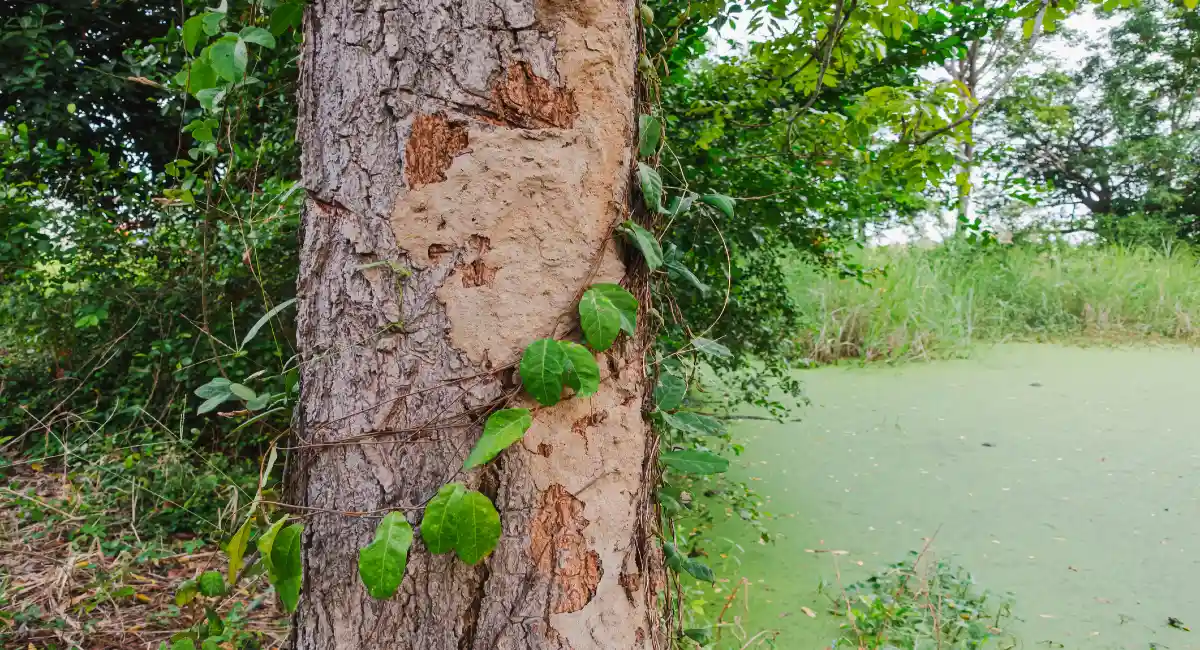
While many species are vulnerable, some are particularly susceptible to termite damage.
Pine: This is one of the most common and widely used softwoods in construction. Its low density and high sapwood content make it a prime target for termites.
Fir: Another common construction wood, fir is also a softwood that is easily consumed by termites.
Spruce: Similar to pine and fir, spruce is a soft, light wood that offers little resistance to a termite infestation.
Plywood and Particleboard: These engineered wood products are made from wood veneers or chips glued together. The glues and resins used can sometimes deter termites, but the wood itself is still a food source. Once termites find a way in, they can cause significant damage to these materials.
Yes, they prefer softwoods like pine, spruce, and fir.
Yes, termites are highly attracted to moist wood.
Termites prefer sapwood due to more nutrients; heartwood is less appealing.
Yes, they still contain wood fibers, making them a food source, especially if damp.
Pine, fir, and spruce are commonly targeted.