Registered Residential Customers
Manage Your Home Services
A swarm of winged insects in or around your home can be an alarming sight. For many homeowners, the first thought is often the dreaded "flying termites." These airborne pests, also known as alates or swarmers, are the reproductive members of a termite colony and a clear warning sign of a potential or existing infestation. Understanding how to identify, prevent, and control these destructive insects is crucial for protecting your property.
This comprehensive guide will walk you through everything you need to know about flying termites, helping you safeguard your home from the significant damage they can cause.
The first challenge in dealing with flying termites is correctly identifying them, as they are often mistaken for flying ants. Misidentification can lead to a false sense of security while a termite colony quietly inflicts structural damage. Here are the key characteristics to look for to distinguish flying termites from flying ants:
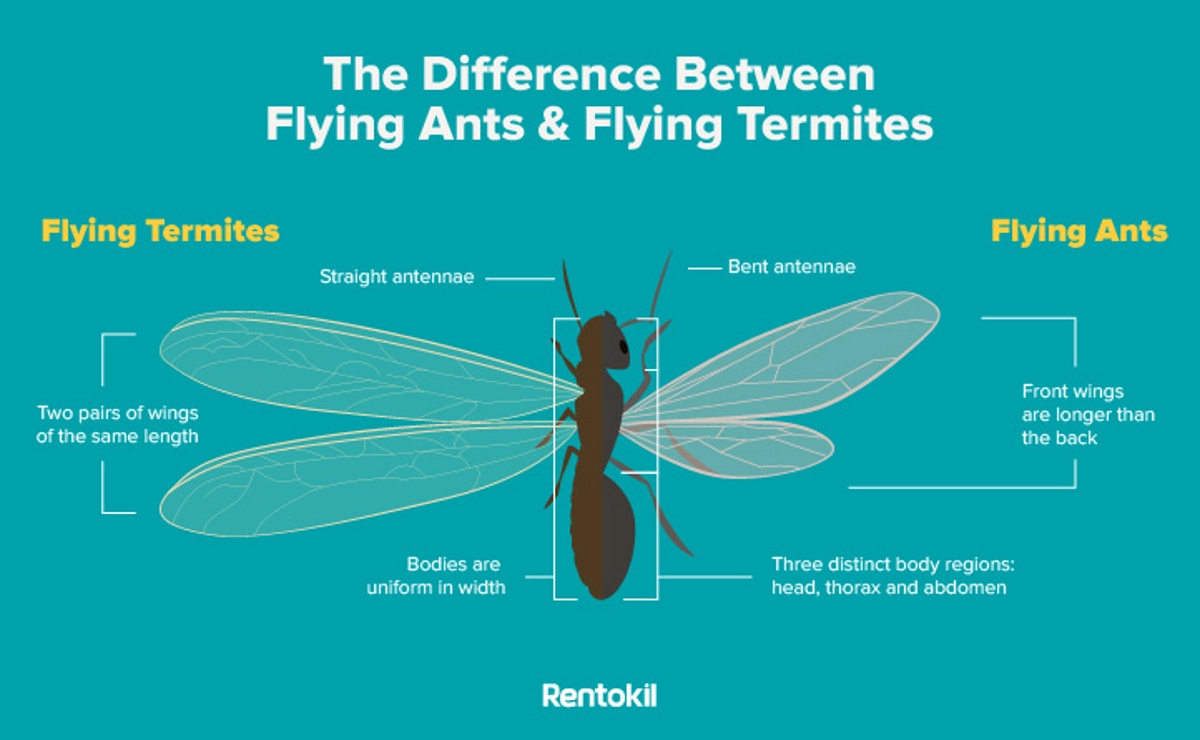
A termite swarm occurs when a mature colony releases its winged reproductives to mate and establish new colonies. While a swarm itself doesn't cause damage, it is a definitive indicator that a healthy, mature termite colony is nearby.
If you see a swarm indoors, it is a serious sign that your home is likely already infested. A swarm outdoors near your property means you are at high risk. Swarms are most common during warm, humid weather, often after a rain shower.
Preventing flying termites from establishing a colony in your home is far more manageable and less expensive than dealing with a full-blown infestation. Here are some effective preventative measures you can take:
Seal Entry Points: Thoroughly inspect your home's foundation, walls, and roof for any cracks or crevices. Seal these openings with caulk or another appropriate sealant to block potential entryways. Pay close attention to areas where utility lines and pipes enter your home.
Reduce Moisture: Termites are attracted to moisture. Fix any leaking faucets, pipes, and air conditioning units. Ensure your gutters and downspouts are clean and effectively divert water away from your foundation. Improve ventilation in crawl spaces and basements to keep these areas dry.
Eliminate Wood-to-Ground Contact: Maintain a gap of at least 18 inches between any wood portions of your home and the soil. This includes siding, decking, and porch supports. Avoid stacking firewood or lumber against your house.
Maintain Your Yard: Remove dead trees, stumps, and old roots from your property, as these can serve as breeding grounds for termites.
Use Termite-Resistant Materials: When building or renovating, consider using termite-resistant materials such as concrete, steel, or treated lumber.
If you do encounter flying termites, swift action is necessary. Here’s how you can manage the immediate situation and address the root of the problem:
Immediate Swarm Control: For a small number of flying termites, a vacuum cleaner is an effective tool for removal. You can also use bug zappers placed outdoors to attract and eliminate them, as they are drawn to light.
Don't Panic and Use Pesticides Indiscriminately: While it may be tempting to spray the swarm with a general-purpose insecticide, this will only kill the swarmers and will not affect the main colony. The colony will continue to thrive and produce more swarmers in the future.
Seek Professional Inspection and Treatment: The most critical step is to contact a licensed pest control professional. A professional can conduct a thorough inspection to determine the extent of the infestation and locate the parent colony. They have access to specialized equipment and treatments, such as liquid termiticides and baiting systems, which are necessary to eliminate the entire colony and prevent future infestations.
The appearance of flying termites is a clear call to action. By correctly identifying them, implementing robust preventative strategies, and seeking professional assistance when necessary, you can protect your home from the silent but significant threat of termite damage. Early detection and proactive control are your best allies in the fight against these destructive pests.