Registered Residential Customers
Manage Your Home Services
Wooden furniture can last for years when it is properly maintained, but termites can compromise wood from the inside without obvious damage at first. Furniture placed near damp areas, walls, floors or other potential termite access points may be particularly vulnerable.
Protecting wooden furniture from termites is not only about treating an infestation after damage appears. Regular inspection, moisture control, sensible storage and early action can help reduce the conditions that allow termite activity to affect your furniture.
Here are nine practical ways to protect wooden furniture and other household wood items from termite damage.
Here are nine practical ways to protect wooden furniture and other household wood items from termite damage.
Moisture does not automatically mean termites will infest a piece of furniture, but damp conditions can make an area more conducive to termite activity.
Check furniture placed near:
Repair leaks promptly and allow damp areas to dry properly. If a wooden cabinet, wardrobe or storage unit is repeatedly exposed to moisture, address the underlying source rather than simply drying the furniture.
Furniture pushed tightly against walls can make it harder to notice changes in the wood or activity around the floor and wall junction.
Where practical, leave enough space around large wooden furniture such as wardrobes, cabinets and bookshelves to:
This is particularly useful for furniture kept against external walls or in areas with limited airflow.
Termite-related damage may not be immediately visible on the most noticeable surfaces of a piece of furniture.
During routine cleaning or maintenance, inspect:
Look for unusual damage, hollow-sounding wood, small holes, mud-like material, discarded wings or other evidence of termite activity.
For a more detailed guide to identifying termite activity, see Rentokil PCI's signs of termite infestation.
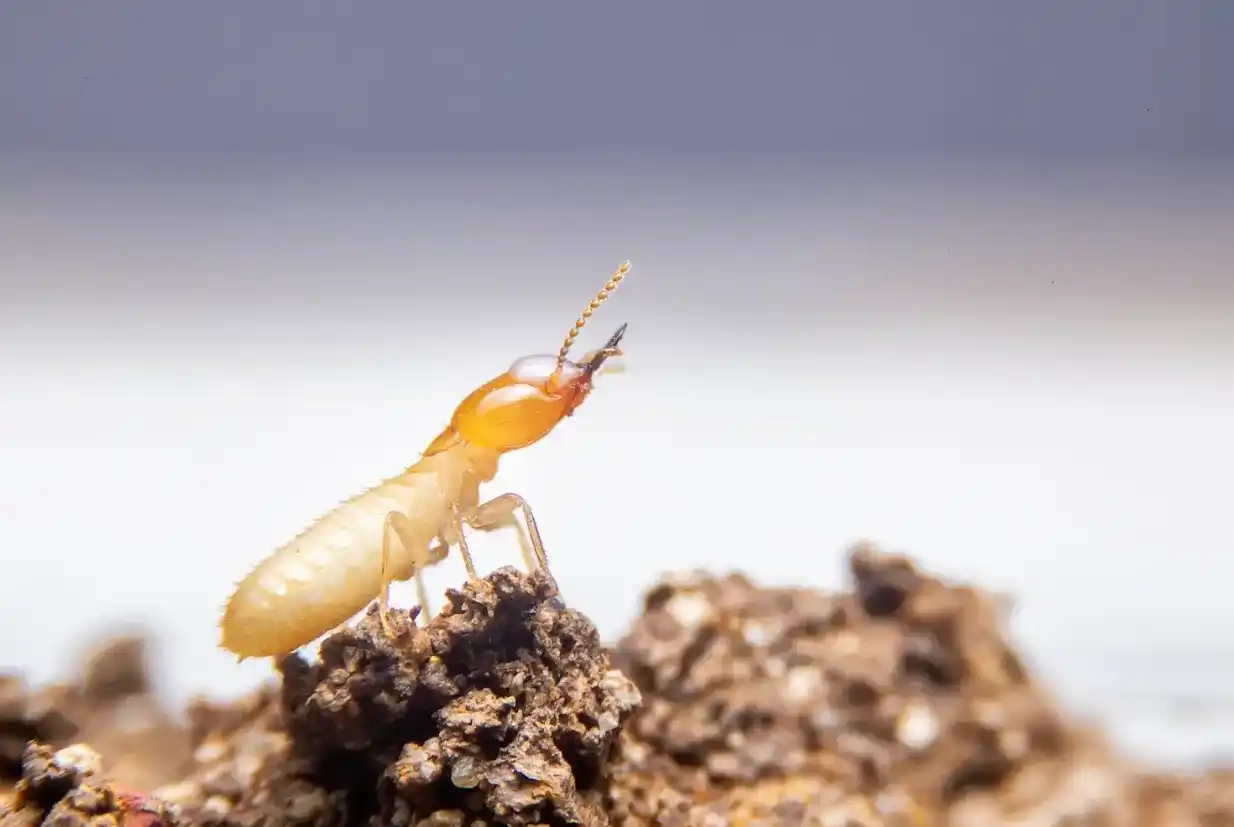
Unused wooden items, cardboard boxes, paper products and other cellulose-based materials can make storage areas harder to inspect and maintain.
Avoid creating piles of:
Keep stored materials organised and, where appropriate, elevated from damp floors. This makes it easier to inspect both the stored materials and the furniture around them.
The goal is not to eliminate every wooden or paper item from your home. It is to avoid creating inaccessible, poorly maintained storage areas where termite activity could remain unnoticed.
Wooden furniture that remains in contact with damp flooring or a persistently damp wall can be exposed to conditions that may increase termite risk.
Pay particular attention to furniture in:
If moisture repeatedly affects the same area, investigate the source before replacing or repairing the furniture. Moving the furniture without addressing the moisture problem may only shift the issue elsewhere.
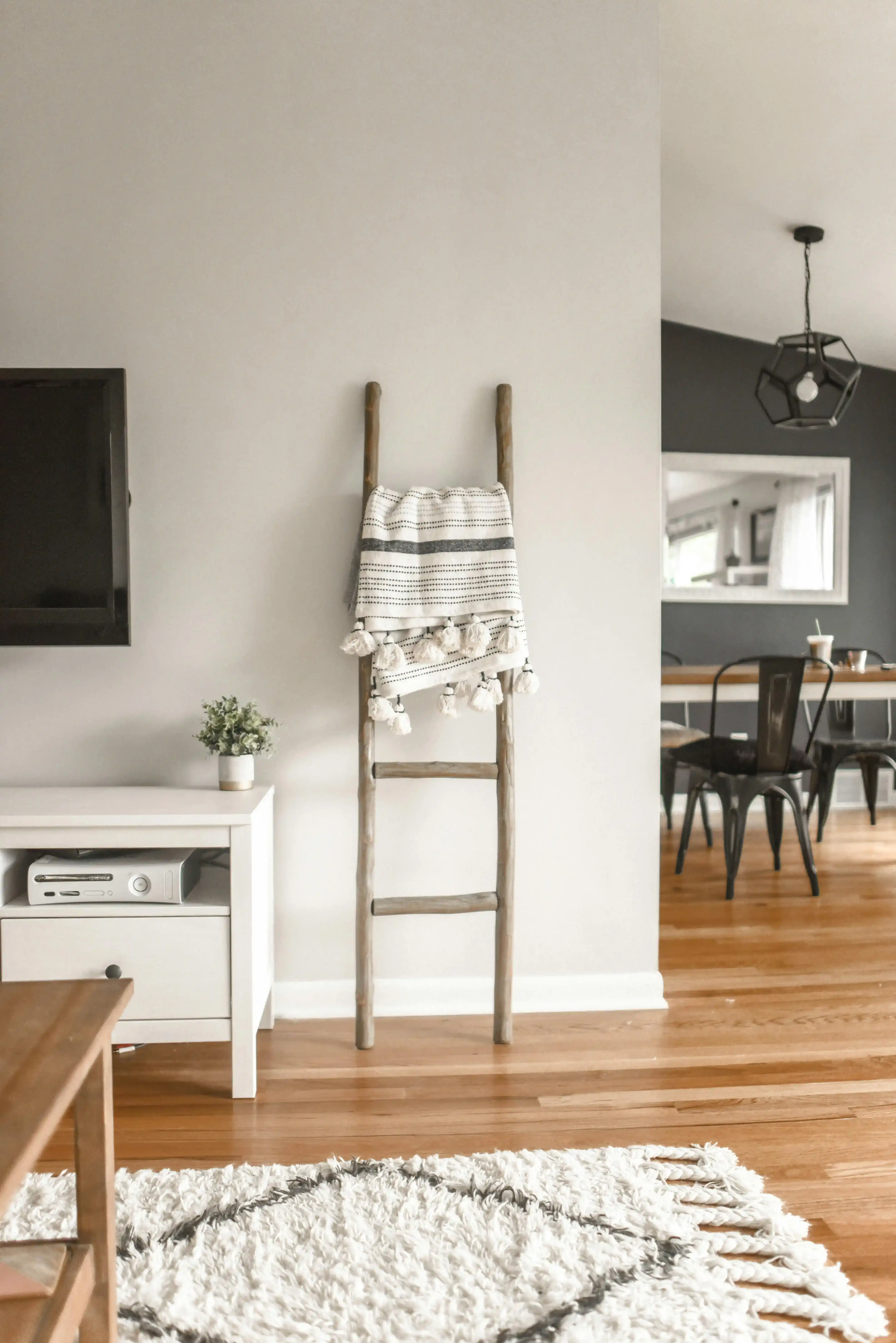
Routine maintenance can help you notice changes before they become extensive.
As part of regular furniture care:
Regular maintenance does not guarantee that termites will not enter a property, but it makes it easier to identify changes and respond early.
Second-hand furniture, reclaimed timber and previously used wooden items can introduce unknown pest risks into a home.
Before bringing a used wooden item indoors:
This precaution is particularly important when introducing large wardrobes, cabinets, beds, tables or other difficult-to-inspect wooden items into the home.
Termites do not necessarily begin their activity inside the piece of furniture where damage is eventually noticed.
Activity may originate elsewhere in the property and reach wooden items through connected or concealed areas. This is why checking only the damaged furniture may not reveal the full source of the problem.
If you notice recurring termite-related damage, inspect the surrounding:
If you repeatedly find signs of activity, a professional inspection can help determine whether the furniture is affected by a wider termite problem.
Termite damage should not be treated as a furniture-maintenance issue alone when there is evidence of active infestation.
If you notice repeated damage, hollow-sounding wood, mud tubes, discarded wings or other suspicious activity, avoid relying only on surface cleaning, polishing or repairing the visible damage.
A professional termite assessment can help determine:
Yes. Termites can damage wooden furniture as well as other wooden components of a property. Depending on the termite species and conditions, damage may occur inside the wood while the external surface initially appears relatively intact.
This means a piece of furniture can show limited visible damage even when its internal structure has been affected.
Furniture should therefore be assessed in context. If termite activity is suspected, checking the surrounding walls, floors and other wooden components can help determine whether the problem is isolated or part of a wider infestation.
Professional pest control services ensure that termites are eradicated effectively without damaging your property. Rentokil PCI uses advanced techniques to target termites colonies and prevent infestations in the future. Our termite treatments are safe, reliable, and backed by years of expertise.
Rentokil PCI's termite control services include inspection and treatment solutions designed to address termite activity at the property level.
Suspect termite activity in your furniture? Get professional help to identify the problem and protect your home from further damage.