Registered Residential Customers
Manage Your Home Services
Starting a new home build is exciting! But before the first wall goes up, you need a strong line of defense against one of the most destructive forces in homeownership: termites. A thorough anti-termite treatment during construction is the single most important investment to prevent billions of dollars in potential structural damage later.
The industry standard for termite-proofing a new home is a comprehensive liquid termiticide application. This process is systematic and performed in specific stages of construction to ensure full coverage.
When: After excavation is complete, but before the concrete foundation (or sub-base) is laid.
Method: The bottom and sides of the excavated pit (the soil surface where the slab will rest) are treated with a powerful, high-concentration liquid termiticide.
Goal: To establish a poisoned zone that prevents termites from tunneling up through the earth and into the concrete slab.
When: Once the foundation walls or pillars are cured and before the backfill (soil around the foundation) is added.
Method: The soil touching the inner and outer surfaces of the foundation walls is saturated with the termiticide.
Goal: To create a continuous vertical chemical barrier that termites cannot penetrate from the surrounding soil.
When: After construction is complete, but before the final floor is laid.
Method: Any expansion joints, construction joints, or points where utility pipes (water, sewer) enter the slab are specially treated.
Goal: These areas are weak points in the concrete, and special attention is paid to them to ensure the barrier is unbroken.
Effective treatments utilize non-repellent termiticides, which termites cannot detect. This allows them to pass through the treated soil, contact the product, and carry it back to infect the entire colony.
Fipronil-Based Termiticides: Highly effective non-repellent chemicals that create a "transfer effect," killing termites that come into contact with treated termites.
Imidacloprid-Based Termiticides: Another effective non-repellent option often used to create a strong, lasting barrier.
When building your home, ensure your contractor or pest control company follows these steps:
Use Licensed Professionals: Only entrust this critical work to licensed, experienced pest control operators.
Verify Dosage: Ensure the proper concentration and volume of termiticide are used as per manufacturer specifications (improper dosage means failure).
Obtain a Warranty: Get a written warranty and service agreement (often 5-10 years) that includes re-treatment should an infestation occur.
Protect the Barrier: Ensure the treated soil is not disturbed by subsequent construction activity (e.g., foot traffic, digging).
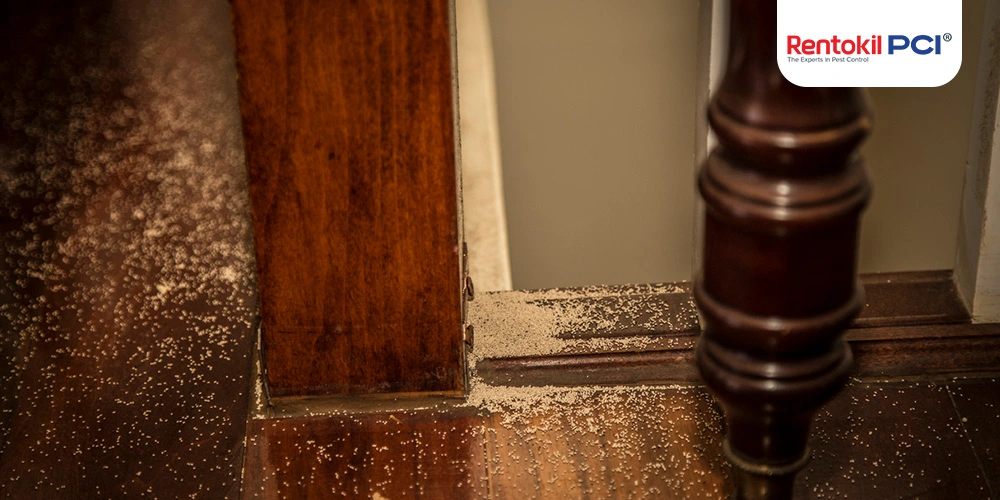
If you do encounter flying termites, swift action is necessary. Here’s how you can manage the immediate situation and address the root of the problem:
Immediate Swarm Control: For a small number of flying termites, a vacuum cleaner is an effective tool for removal. You can also use bug zappers placed outdoors to attract and eliminate them, as they are drawn to light.
Don't Panic and Use Pesticides Indiscriminately: While it may be tempting to spray the swarm with a general-purpose insecticide, this will only kill the swarmers and will not affect the main colony. The colony will continue to thrive and produce more swarmers in the future.
Seek Professional Inspection and Treatment: The most critical step is to contact a licensed pest control professional. A professional can conduct a thorough inspection to determine the extent of the infestation and locate the parent colony. They have access to specialized equipment and treatments, such as liquid termiticides and baiting systems, which are necessary to eliminate the entire colony and prevent future infestations.
The appearance of flying termites is a clear call to action. By correctly identifying them, implementing robust preventative strategies, and seeking professional assistance when necessary, you can protect your home from the silent but significant threat of termite damage. Early detection and proactive control are your best allies in the fight against these destructive pests.