Registered Residential Customers
Manage Your Home Services
India is home to over 300 snake species, but a notorious few are responsible for the vast majority of medically significant bites and fatalities. The true danger lies not just in the venom's potency but in how frequently these species cross paths with humans in rural and urban environments.
Here is a unique, short list of India's most dangerous snakes, led by the infamous "Big Four":
Key Danger: Most widespread and causes the highest number of bites/deaths.
Venom Type: Hemotoxic (attacks blood and tissue).
Key Danger: Extremely potent neurotoxic venom; nocturnal and frequently bites sleeping victims.
Venom Type: Neurotoxic (attacks the nervous system).
Key Danger: Common near human habitation, known for its iconic hood display.
Venom Type: Neurotoxic/Cardiotoxic (attacks nerves and heart).
Key Danger: Small, aggressive, and makes a distinctive "sizzling" sound; causes severe bleeding.
Venom Type: Hemotoxic (causes severe bleeding and organ damage).
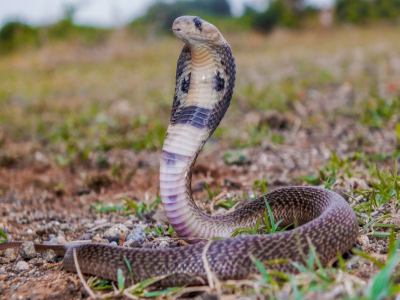
These snakes are extremely dangerous due to high venom potency, size, or regional abundance.
Key Danger: The world's longest venomous snake with a massive venom yield per bite.
Venom Type: Neurotoxic.
Key Danger: Found in Northeast/East India; aggressive and has potent neurotoxin.
Venom Type: Neurotoxic.
Key Danger: Large size with distinctive bands; highly toxic and nocturnal.
Venom Type: Neurotoxic.
Key Danger: Found in the Western Ghats; its small size often leads to misidentification and delayed treatment.
Venom Type: Hemotoxic.
Key Danger: Arboreal (tree-dwelling) and camouflaged in the Western Ghats.
Venom Type: Hemotoxic.
Key Danger: A regional krait subspecies with extremely potent neurotoxic venom, common in Central/Western India.
Venom Type: Neurotoxic.
Don't just imagine your business with no pests...experience pest-free with Rentokil PCI.
Contact us today !