Registered Residential Customers
Manage Your Home Services
Most people associate rodents with property damage or food contamination, but they can also carry diseases that pose serious health risks. One such disease is Hantavirus, a rare but potentially severe viral infection that spreads through contact with infected rodents or their droppings.
While cases are uncommon, understanding how hantavirus spreads, recognising its symptoms early, and taking preventive measures can help reduce the risk of infection.
Here's everything you need to know about hantavirus disease, its symptoms, treatment, and prevention.
Hantavirus is a group of viruses primarily carried by certain species of rodents. Humans can become infected when they come into contact with infected rodent urine, droppings, saliva, or contaminated dust particles that become airborne.
One of the most serious illnesses caused by the virus is Hantavirus Pulmonary Syndrome (HPS), which affects the lungs and can become life-threatening if not treated promptly.
Although hantavirus infections are relatively rare, they require immediate medical attention due to the severity of the disease.
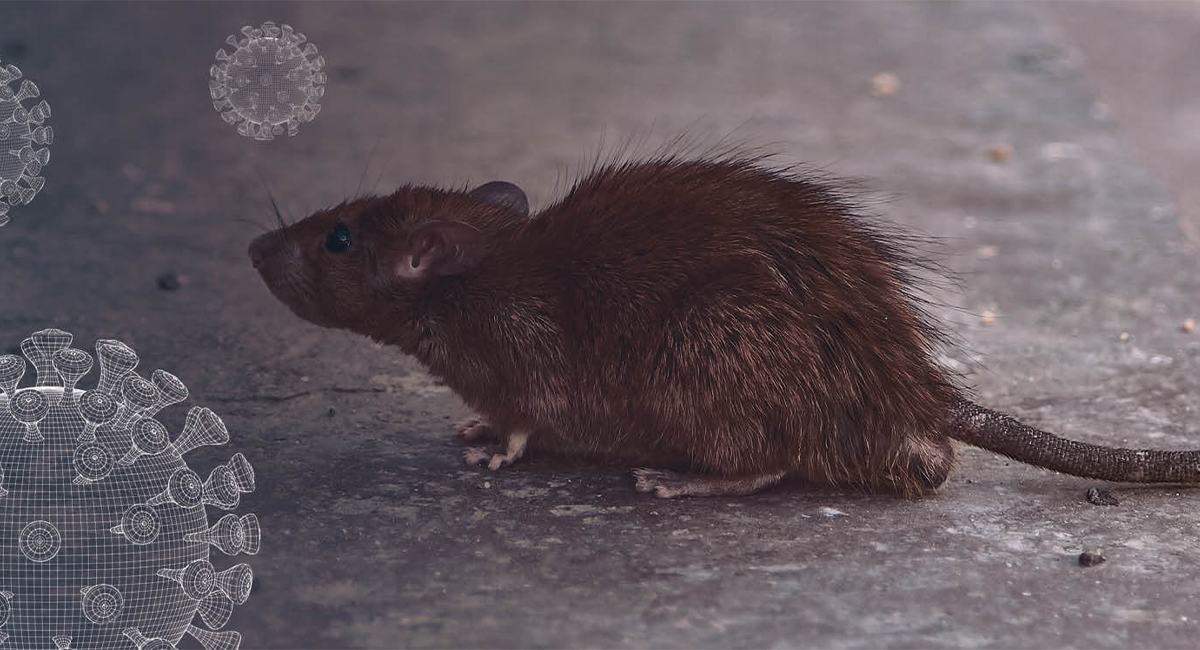
Unlike many viral infections, hantavirus does not usually spread from person to person.
People may become infected through:
The risk is generally higher in places where rodents are present, such as storage rooms, sheds, warehouses, farms, construction sites, or vacant buildings.
Hantavirus Disease Symptoms
Symptoms typically develop 1 to 8 weeks after exposure to the virus.
The initial symptoms often resemble the flu and may include:
Because these symptoms are similar to many other illnesses, hantavirus can be difficult to identify in its early stages.
As the disease progresses, symptoms may become more severe, including:
These symptoms require immediate medical care, as Hantavirus Pulmonary Syndrome can progress rapidly.
Anyone exposed to rodent-infested environments may be at risk, but the chances are generally higher for:
Reducing rodent activity around homes and workplaces plays an important role in lowering the risk of exposure.
There is currently no specific antiviral treatment or vaccine for hantavirus infection.
Treatment focuses on supportive medical care, which may include:
Early diagnosis and prompt medical attention significantly improve the chances of recovery.
If you experience symptoms after possible exposure to rodents or rodent droppings, seek medical care immediately.
The key to preventing Hantavirus is eliminating rodent entry points and practising safe cleaning protocols.
Never sweep or vacuum dry rodent droppings, urine, or nests. Doing so stirs up infectious dust particles into the air you breathe.
Put on rubber or nitrile gloves and a mask (preferably an N95).
Rodents are elusive pests. They frequently nest inside wall cavities, ceiling voids, subfloors, and HVAC spaces where infestations can go unnoticed until severe health risks emerge.
Relying on DIY traps often addresses only visible rodents while leaving underlying nests untouched. Professional pest management provides the thorough inspection, sealing, and targeted treatment needed to keep your property safe.
Unsure if your property is secure against rodents? Rentokil PCI offers industry-leading rodent control solutions tailored for residential and commercial spaces. Our certified experts conduct thorough inspections to identify infestation sources, eliminate rodent populations, and implement long-term exclusion strategies.
Don't wait until rodents compromise your health.
Contact Rentokil PCI today to schedule a professional rodent inspection
By breathing in dust contaminated with infected rodent urine, droppings, or saliva. It can also spread by touching contaminated surfaces and then touching your eyes, nose, or mouth. It rarely spreads person-to-person.
Appearing 1 to 8 weeks after exposure, early symptoms mimic the flu: fever, fatigue, headaches, chills, and severe muscle aches in the thighs, hips, and back, sometimes with nausea or stomach pain
It can progress into Hantavirus Pulmonary Syndrome (HPS), which attacks the lungs. This causes rapid, life-threatening breathing difficulties, a persistent cough, chest tightness, and low blood pressure.
There is no specific cure, antiviral drug, or vaccine. Treatment consists of supportive hospital care, such as oxygen therapy, fluid management, and mechanical respiratory support in intensive care.
Never sweep or vacuum, which stirs up dangerous airborne particles. Wear gloves and a mask, spray the area with disinfectant or diluted bleach, let it soak for 5–10 minutes, and wipe it up with paper towels.
Don't just imagine your business with no pests...experience pest-free with Rentokil PCI.
Contact us today !