Registered Residential Customers
Manage Your Home Services
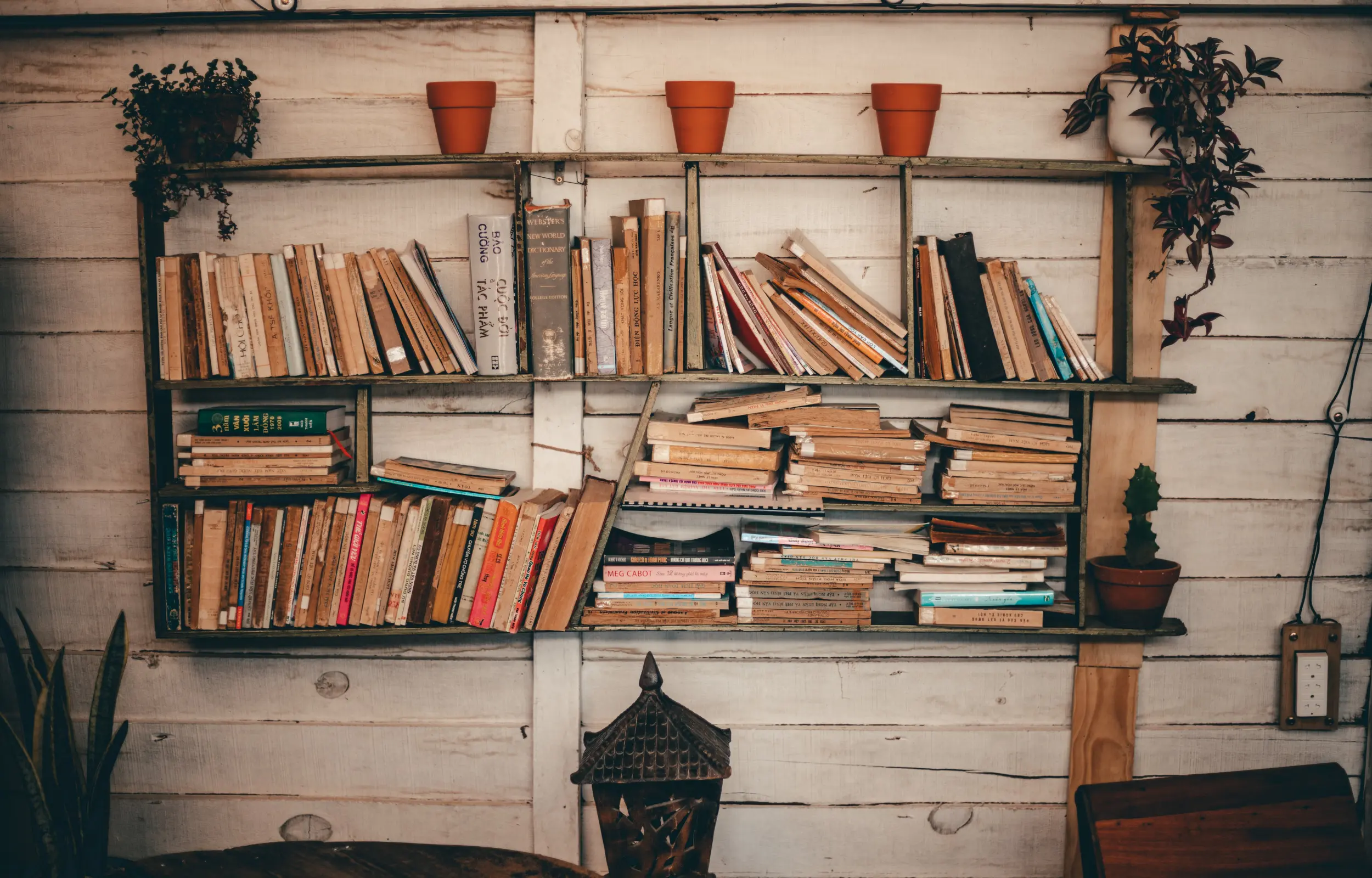
Welcome to the world of books, where each page holds a unique adventure, a new idea, or a timeless story. Your home library is a sanctuary, a place where the written word comes to life. But lurking in the shadows are uninvited guests, pests that can silently wreak havoc on your cherished collection and the shelves that cradle them.
Yes, you are not the only bookworm in your home! Let's explore the signs, understand the risks, and look at some simple steps to protect your books and bookcases. It's time to ensure your reading retreat remains a safe space for stories, not a feast for pests.
Worried about bookworm damage? Discover effective ways to prevent bookworms and protect your valuable books and library collections.
Several pests may cause damage to books or the areas where they are stored. The type of damage can vary depending on the pest and the conditions around the books.

Bookworms aren't your book-loving companions; they're tiny pests that can damage paper and other book materials. These pests may leave behind visible damage that can ruin the very essence of your favourite reads.
Imagine the heartbreak of discovering holes, chewed edges, and fragments of your beloved books. Bookworms don't discriminate; classics, biographies, or your childhood favourites can all be potential victims.
If you notice unexplained holes or damage to your books, it is important to identify the pest before deciding on a treatment approach, as different pests can cause different types of damage.
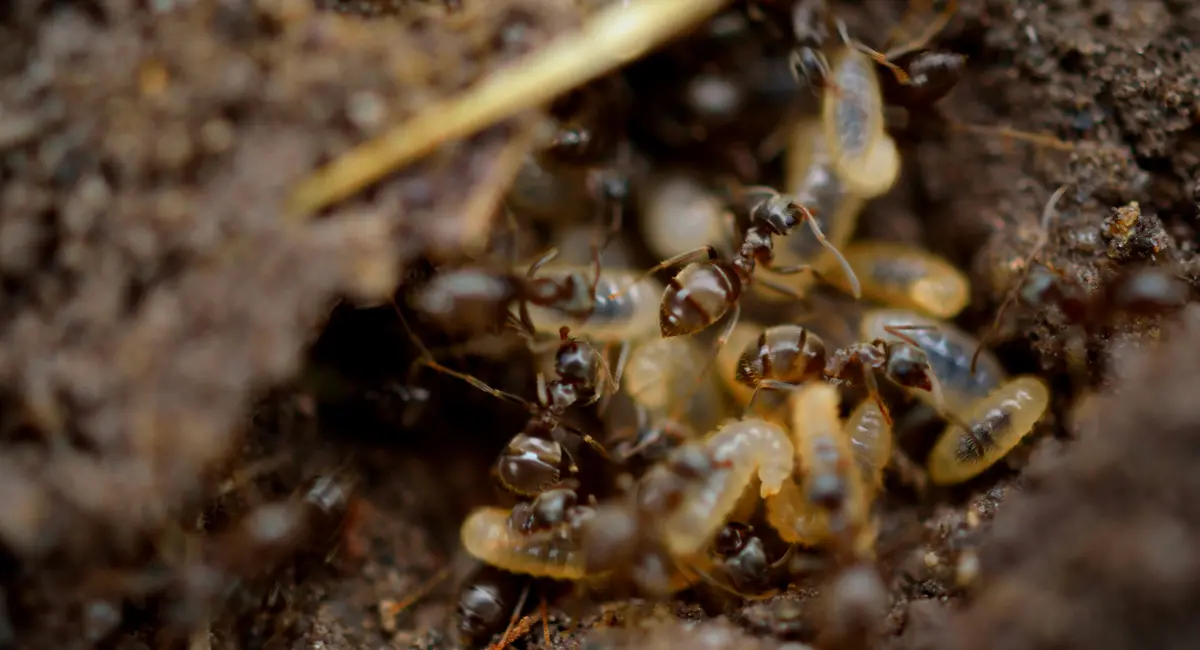
Termites, the silent destroyers, don't just stop at your walls; they can also target the wooden furniture and bookcases that support your home library. Wooden bookcases can become compromised, affecting their strength and stability.
The danger extends beyond the bookcases themselves. Termites can weaken the furniture that houses your collection, posing an indirect threat to the books they hold. It is a silent battle that can go unnoticed until significant damage has occurred.
If you notice signs of termite activity in or around wooden bookcases, professional termite control can help identify and address the problem.
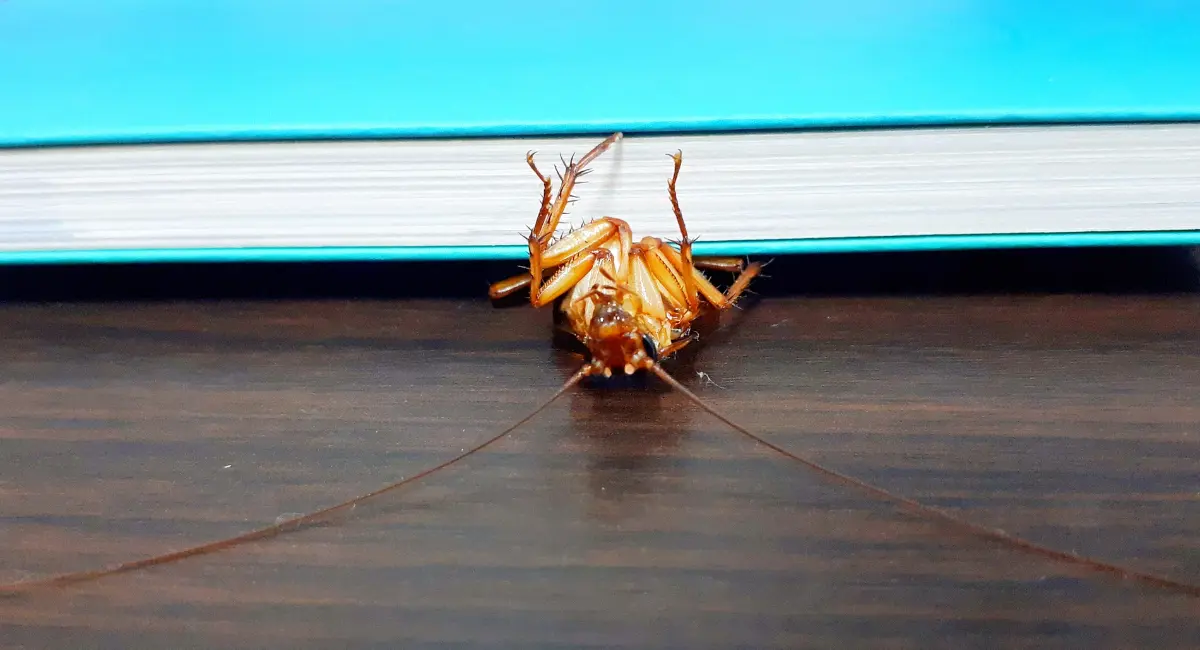
Cockroaches, the most resilient of all pests, can find their way into areas where books are stored. They're particularly attracted to dark, undisturbed spaces and may damage book bindings and covers.
Beyond the visible damage, cockroach activity around books can also create hygiene concerns. Droppings and other traces of cockroach activity can contaminate surrounding areas.
If you notice recurring cockroach activity around your bookshelves, cockroach control can help address the infestation.
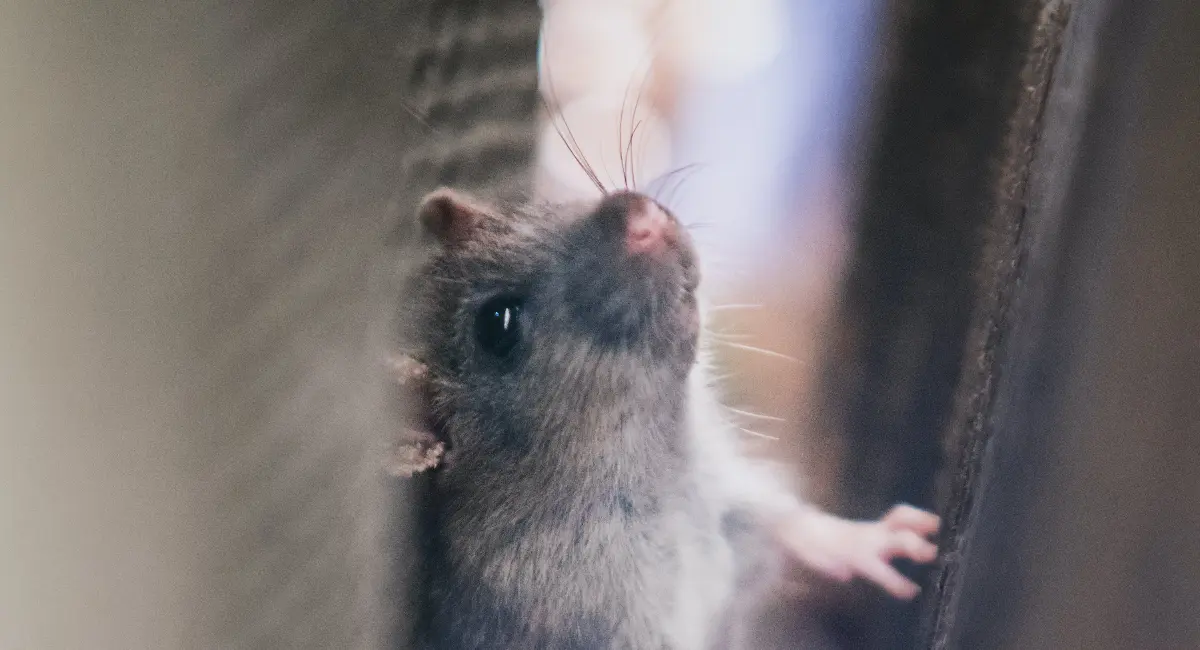
Rodents, with their gnawing nature, pose a dual threat. They're not only capable of chewing through your books, leaving a trail of torn pages, but they can also target the wooden structure of your bookcases.
It's not just about the books. Rodents can cause wider property damage and may contaminate areas through their droppings and nesting materials. Addressing their presence is therefore crucial not only for preserving your library but also for protecting your home.
Look closely at your books, and you might spot the subtle yet unmistakable signs of pest activity. Holes, chewed edges, and shredded pages can indicate that pests have been feeding or nesting around your collection.
Different pests can leave distinct marks. Book-damaging insects may create small holes, termites can leave signs of tunnelling in wooden bookcases, cockroaches may leave smear marks or damaged corners, and rodents may gnaw on bindings and covers.
Understanding these signs can help you identify a potential pest problem and determine when further inspection may be needed.
Pests aren't always subtle about their presence. Droppings left on or around bookshelves can be a telltale sign of pest activity. Their size and appearance can vary depending on the pest, so other signs should also be considered when identifying the source.
If you notice repeated signs of pest activity, don't focus only on the affected books. Check the surrounding shelves, furniture, walls and other potential hiding places as well.
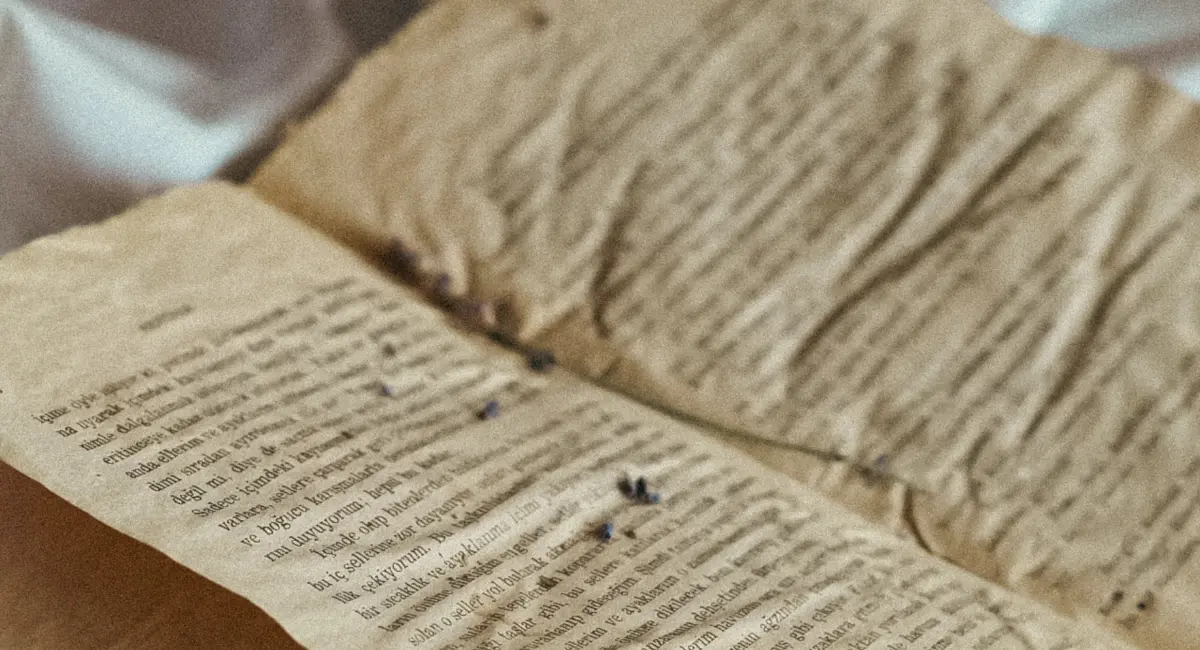
Protecting books from pests starts with maintaining a clean, dry and well-organised storage environment.
Regular inspection is particularly important for books that are rarely used or stored for long periods, as pest activity may otherwise go unnoticed.
Regular inspections by professionals can help identify early signs of infestations, preventing extensive damage to your books and bookcases. DIY solutions may not address the source of an established infestation.
Professional pest control experts can assess your situation, identify the pest activity and provide pest control solutions tailored to your requirements.
Whether the concern is book-damaging insects, termites, cockroaches or rodents, identifying the source of the problem is an important first step towards protecting your books and library.
Protect your books, bookcases and library from unwanted pests.
Contact us today !