Registered Residential Customers
Manage Your Home Services
When you invest in professional pest control, you're buying more than just a quick fix, you're buying residual protection. The question of "how long should it last?" doesn't have a single answer; it depends on a complex mix of pests, products, and environmental factors.
In general, most standard pest control treatments are effective for 60 to 90 days, making quarterly service (every three months) the industry standard for preventative maintenance. However, this window can vary widely based on the factors below.
The effectiveness of the chemical barrier applied by a technician naturally declines over time. Here's what speeds up that decline:
Resilient Pests (Cockroaches, Bed Bugs): These pests breed rapidly and can quickly develop resistance. Cockroach control often requires monthly or bi-monthly treatments initially to break the egg cycle, lasting only a few weeks after the first application.
Persistent Pests (Ants, Spiders): General perimeter sprays usually keep these common pests at bay for the standard 2-3 months.
Wood-Destroying Pests (Termites): Liquid termiticide barriers (pre-construction or post-construction) are designed to last the longest, often remaining effective for 5 to 10 years or more, making them a significant long-term investment.
Outdoor Treatments: These break down the fastest, typically lasting 30 to 60 days. Sunlight (UV rays), heavy rainfall, and irrigation wash away or degrade the active ingredients.
Indoor Treatments: Treatments applied in hidden areas like inside walls, under appliances, or along dry baseboards can last the full 90 days or longer, as they are protected from the elements.
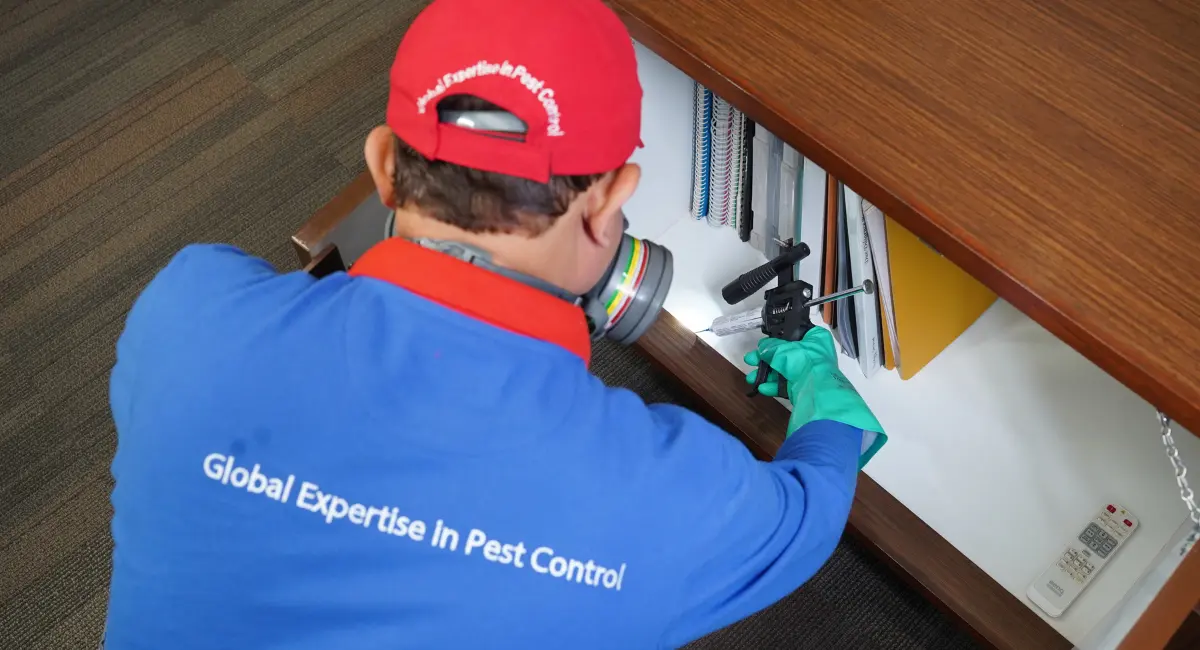
Residual Sprays: These are the most common methods for perimeter control. Their effectiveness is tied directly to the residual life of the chemical, which typically peaks around the 90-day mark before needing a refresh.
Gel Baits (for Roaches/Ants): These are ingested by the pest and carried back to the colony. While the chemical remains active for months inside the bait station, the bait itself may need replenishment if consumed entirely.
Desiccant Dusts (e.g., Diatomaceous Earth): When applied to dry voids (like inside walls), these non-chemical dusts never degrade and can remain effective indefinitely if undisturbed.
Cleaning: Frequent deep cleaning, especially mopping or scrubbing treated baseboards, will wash away the residual product and shorten its life.
Clutter: Poor sanitation and excessive clutter provide pests with new, untreated harborage sites and food sources, allowing them to bypass the treatment barrier.
Seasonal Activity: Treatments applied in the fall to block rodents or spiders from entering may only last until spring when pest activity naturally surges again, requiring a new barrier.
To ensure you get the maximum life out of your pest control investment, follow these guidelines:
Wait to Clean: Avoid deep cleaning, especially mopping or scrubbing baseboards, for 5-7 days after the treatment to allow the chemicals to fully dry and bond to the surface.
Seal Entry Points: Support the chemical barrier by proactively sealing cracks, gaps, and entry holes around utility lines and windows.
Adopt Quarterly Service: The 90-day cycle is the most cost-effective and recommended frequency. It ensures the barrier is refreshed before the previous treatment completely fails, maintaining continuous protection.
Don't just imagine your business with no pests...experience pest-free with Rentokil PCI.
Contact us today !