Registered Residential Customers
Manage Your Home Services
The thought of a rat or mouse in the house is enough to make anyone feel uneasy. Beyond the initial surprise, a common and understandable fear often surfaces: will it bite? It’s a question rooted in concern for the safety of family and pets.
While a bite from a rat or mouse is not a common event, it can happen under specific circumstances. Understanding why a rodent might bite, the potential risks involved, and how to prevent it is the best way to ensure your peace of mind.
It's important to understand that rats and mice are not naturally aggressive towards humans. In fact, their primary instinct is to flee and hide from what they perceive as a large predator. They will almost always choose to run rather than fight.
A bite is typically a last-resort defensive reaction. The most common scenarios that lead to a bite include:
Feeling Cornered or Trapped: If a rodent is discovered and has no clear escape route, it may lunge and bite out of fear and self-preservation.
Being Handled or Provoked: Attempting to pick up, catch, or sweep a wild rodent can be perceived as a direct threat, prompting it to defend itself.
Protecting a Nest: A mother rat or mouse will be protective of her young and may act aggressively if she feels her nest is in danger.
Essentially, the answer to "do rats bite?" is yes, but almost always as a defensive measure when they feel threatened, not as an unprovoked attack.
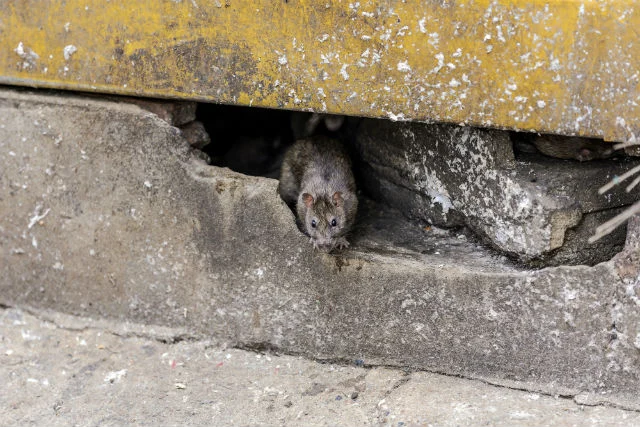
While the bite itself might be a small puncture or scratch, it should always be taken seriously due to the risk of bacterial infection. Rodents can carry germs in their saliva that are harmful to people.
The most significant concern is an illness called Rat-Bite Fever (RBF). This bacterial infection can be transmitted through a bite, a scratch, or contact with an infected rodent. Symptoms, which can include fever, headache, muscle pain, and a rash, typically appear within 3 to 10 days. The good news is that RBF is treatable with common antibiotics, but it is crucial to seek medical attention to get a proper diagnosis and prescription.
Knowing the proper response in the unlikely event of a bite is essential for safety.
Wash Immediately: The most critical step is to thoroughly wash the wound with soap and warm water for several minutes to help flush out bacteria.
Apply Antiseptic: After cleaning and drying the area, apply a standard antiseptic ointment.
Cover the Wound: Use a clean bandage to cover the area and keep it protected.
Consult a Doctor: It is always recommended to see a healthcare professional after any rodent bite. A doctor can properly assess the wound, determine if a tetanus shot is needed, and decide if preventative antibiotics are necessary to avoid Rat-Bite Fever.
The surest way to avoid any risk is to prevent rodents from entering your home in the first place.
Seal Entry Points: Inspect your home for any cracks or holes in foundations, walls, or around pipes, and seal them securely.
Maintain Cleanliness: Keep food stored in airtight containers, clean up spills promptly, and use trash cans with secure lids.
Seek Professional Help: If you suspect you have a rodent infestation, do not try to handle the animals yourself. Contacting a professional pest control service is the safest and most effective way to resolve the issue, protecting you and your family from any potential harm.