Registered Residential Customers
Manage Your Home Services
The arrival of the monsoon brings a welcome respite from the heat, but it can also lead to a noticeable increase in insect and pest activity. Increased humidity, standing water and damp conditions can create favourable environments for many pests, while heavy rainfall may drive some insects indoors in search of food, shelter and drier surroundings.
Some insects are simply a seasonal nuisance, while others can pose health, hygiene or property risks. Understanding the common insects found after rain and knowing how to prevent them can help you manage pest activity around your home or business during the rainy season.
Rain can change the conditions around homes and buildings in several ways. Standing water can provide breeding sites for mosquitoes, while moisture and organic waste can create favourable conditions for flies and other pests.
Heavy rainfall can also disturb insects and their outdoor habitats, causing some pests to move indoors in search of shelter.
Common factors include:
During the monsoon, several insect species can become more noticeable, particularly around damp areas and buildings.
Mosquitoes are among the most common pests associated with the rainy season. Rain can leave behind stagnant water in containers, drains, plant pots, tyres and other areas, providing potential breeding sites.
Mosquito activity can increase around homes and businesses when standing water is allowed to remain for extended periods.
For more information on mosquito activity and prevention, see our guide to mosquito control.
Rentokil PCI uses Integrated Mosquito Management solutions that address mosquito activity through inspection, treatment and prevention.
Flies can become more noticeable during wet weather when increased moisture and organic matter create favourable conditions for feeding and breeding.
House flies may be found around waste and food sources, while fruit flies are commonly associated with ripening or fermenting fruit and vegetables.
Good waste management, sanitation and keeping food covered can help reduce conditions that attract flies.
If fly activity continues despite preventive measures, professional fly control can help identify and address the source of the problem.
The monsoon is often associated with increased termite activity. After rainfall, winged termites, also known as alates or swarmers, may emerge from mature colonies and can be attracted to lights around homes and buildings.
Seeing termite swarmers, discarded wings or other signs of termite activity should not simply be treated as a seasonal nuisance. It may indicate a nearby termite colony.
If you notice termite swarmers after rain, consider professional termite inspection and control to assess the source and potential risk to the property.
Heavy rainfall can disturb cockroaches in drains and other outdoor or underground areas, encouraging them to seek shelter indoors.
They are particularly attracted to areas that provide moisture, food and shelter, including kitchens, bathrooms, drains and other damp spaces.
Keeping areas clean, fixing leaks, reducing moisture and sealing potential entry points can help reduce cockroach activity.
For recurring infestations, cockroach control can help address the problem at its source
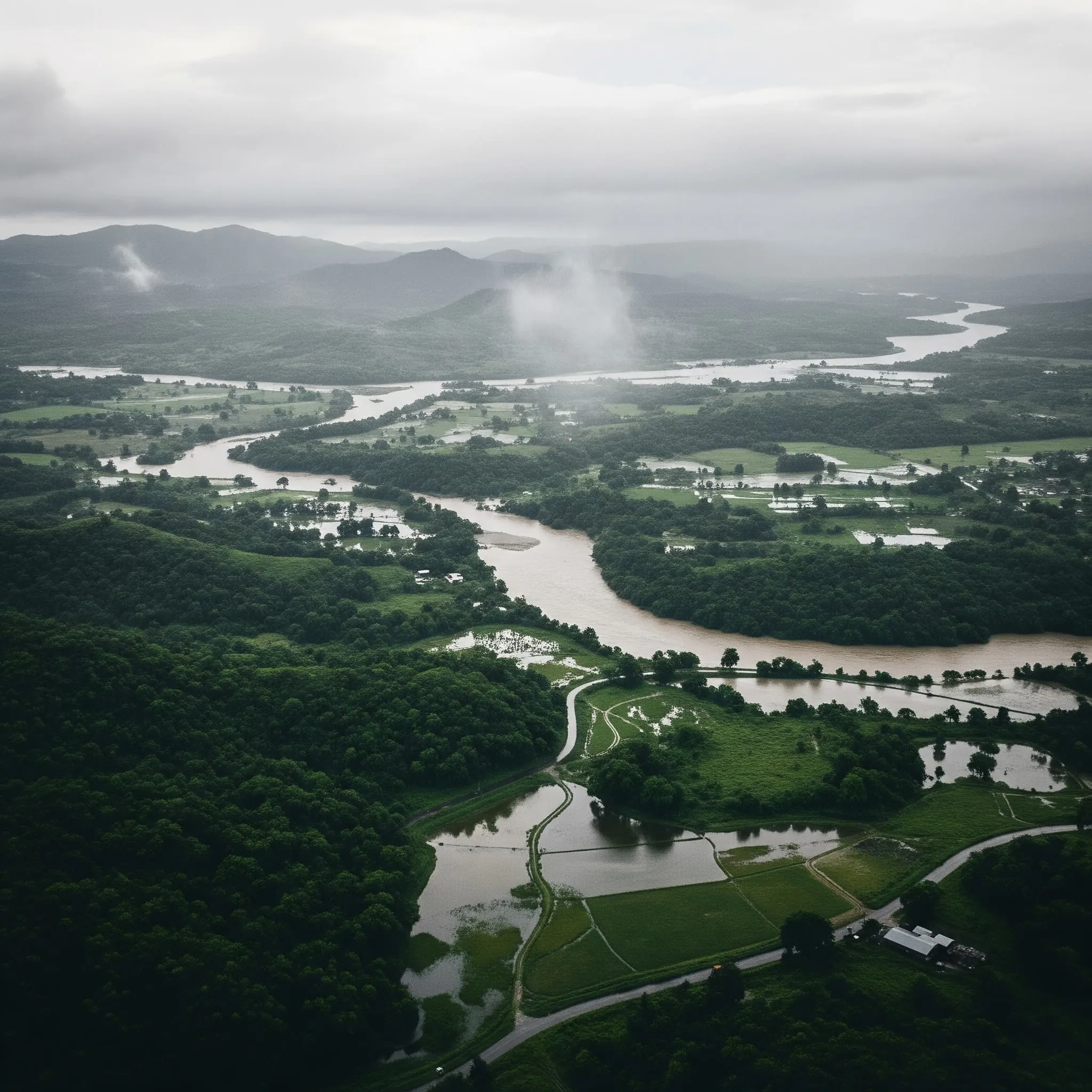
Beyond the more common household pests, several other insects and arthropods may become more noticeable during the rainy season.
While it's nearly impossible to eliminate all insects after rain, several strategies can help manage their presence:
By understanding which common pests found during the monsoons are prevalent and taking preventive measures, you can enjoy the season with fewer unwelcome insect encounters.
Elevated humidity and abundant moisture create ideal breeding conditions, while heavy rains disrupt outdoor habitats, forcing insects like ants, cockroaches, and centipedes indoors for shelter.
Eliminate standing water in and around your home by regularly emptying flowerpot saucers, clogged gutters, birdbaths, and discarded containers where mosquitoes breed.
Seeing winged termite swarmers means a mature termite colony is nearby. While individual swarmers are harmless, their presence strongly indicates potential structural damage that requires professional inspection.
Maintain strict cleanliness by disposing of garbage daily, sealing food in airtight containers, cleaning spills immediately, and filling gaps or cracks around doors and windows.
Rainy-season pest activity can be difficult to manage when insects repeatedly enter or breed around your property. Rentokil PCI can help identify the source of pest activity and recommend an appropriate control and prevention solution.
Contact us today !