Registered Residential Customers
Manage Your Home Services
The Anopheles mosquito is incredibly important because it's the only type of mosquito that can transmit the parasite that causes malaria in humans.
Malaria Spreader: It's the sole culprit behind human malaria infections globally, making it a major public health concern, especially in tropical areas.
Active at Night: Most Anopheles bite between dusk and dawn, which is why sleeping under treated nets is so crucial for protection.
You can usually tell an Anopheles apart from common house mosquitoes (Aedes or Culex) by its resting posture:
The Signature Angle: When it lands on a wall, it holds its body and tail up at a 45-degree angle, looking like it's doing a handstand. Other mosquitoes rest flat.
Breeding: They lay single eggs right on the surface of clean, still water (like marshes or ponds).
In short: See a mosquito resting at a sharp angle? It's likely an Anopheles, and that means protection against malaria is vital
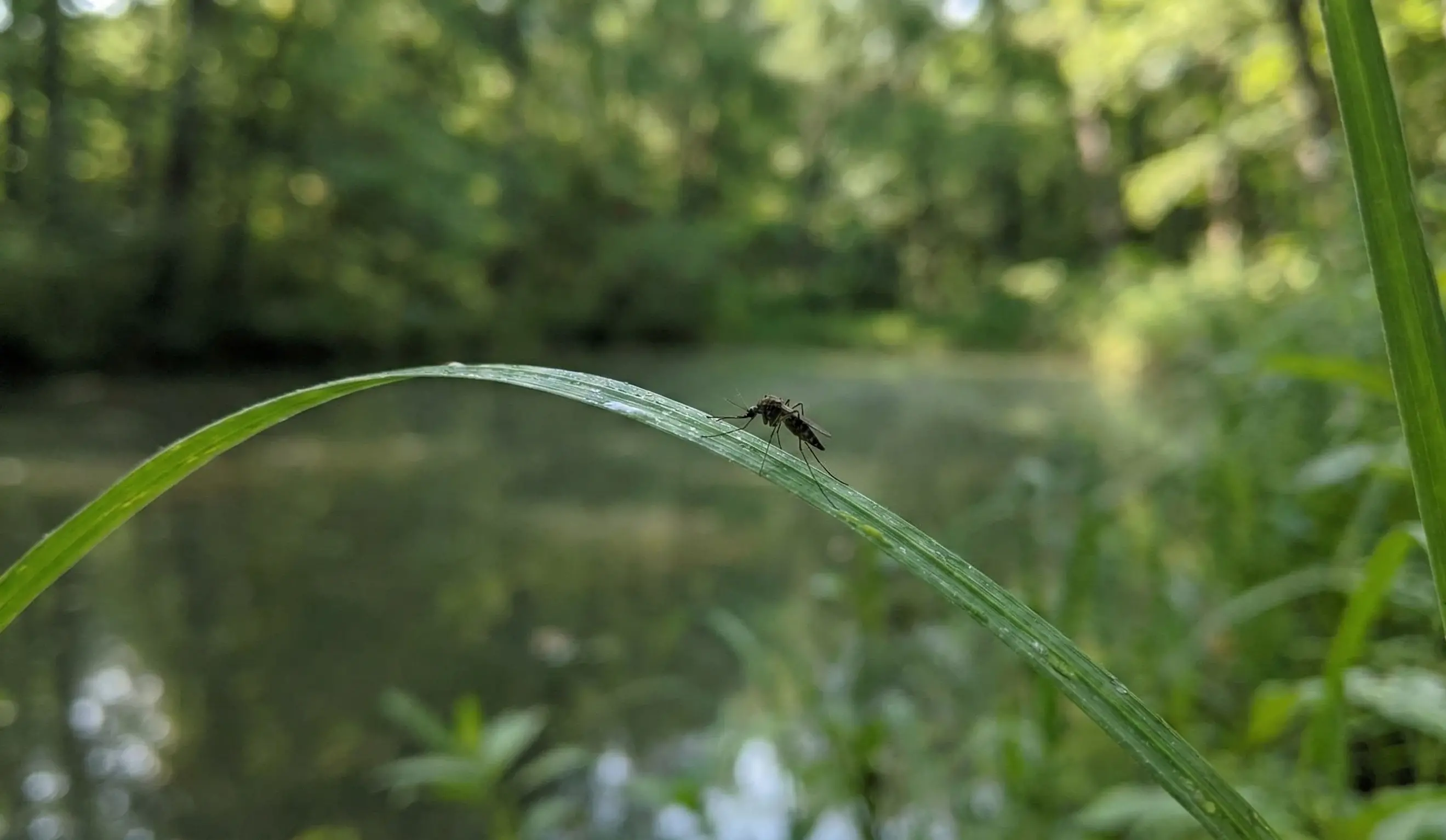
It is the only mosquito type that transmits the Plasmodium parasite, which causes malaria in humans.
No. Only female Anopheles mosquitoes bite and transmit the parasite. Males do not bite.
When resting on a wall, its body is held at a distinct 45-degree angle, pointing upward (like it's balancing on its head).
They are primarily found in tropical and subtropical regions across the globe where malaria is prevalent.
Yes. Controlling the mosquito population (vector control) is the most critical strategy for preventing malaria transmission.